

A villa proposal may look economical until construction drawings, procurement administration, and site visits appear as additional fees. The decision is not simply which studio has the strongest portfolio. It is: what responsibility is the client actually buying? Compare interior design services as a responsibility matrix, with a deliverable, accountable party, review point, revision allowance, and exclusion for every project stage.
Which interior design services should a villa appointment include?
A villa appointment should define services by project phase and provider role rather than relying on an undefined “full-service” label.
- Brief
- Concept
- Design development
- Construction documentation
- Procurement
- Construction support
- Installation
- Handover
Different providers carry different responsibilities
Interior designers may plan spaces, materials, fixtures, and furnishings. Decorators generally concentrate on appearance and movable items. Architects and engineers handle regulated work where local law requires licensed professionals. Contractors control construction methods, while purchasing agents administer orders and logistics.
Responsibility also depends on jurisdiction. In the United Kingdom, Health and Safety Executive guidance for domestic clients states that CDM 2015 duties normally pass to the contractor on a single-contractor project and to the principal contractor where more than one contractor is involved. If a villa contains a private collection, the National Park Service Museum Handbook offers conservative guidance on preservation, documentation, access, and use, although specialist advice may still be required.

Which interior design services should a villa appointment include shown with floor, wall, and fixture relationships visible.
Which drawings should interior design services deliver?
Construction-ready services need a drawing register that identifies every plan, elevation, section, and detail, including its issue stage, purpose, scale, format, and coordination dependencies.
A drawing register should expose omissions
- Verified survey, demolition, proposed-layout, and measured living-room furniture plans.
- Ceiling, lighting-intent, power-coordination, floor-finish, wall-finish, bathroom, and kitchen plans.
- Joinery elevations, door details, stone setting-out, sections, and service interfaces.
Each entry should state whether it supports approval, pricing, fabrication, construction, or record keeping. The appointment must name who verifies existing dimensions, produces shop drawings, and supplies editable CAD or BIM files.
Rendered views do not define substrates, tolerances, fixings, access panels, or document precedence. Lighting schedules should also identify lamp or fixture performance. Where qualified products apply, ENERGY STAR states that qualified LED lighting uses at least 75 percent less energy and lasts up to 25 times longer than incandescent lighting.
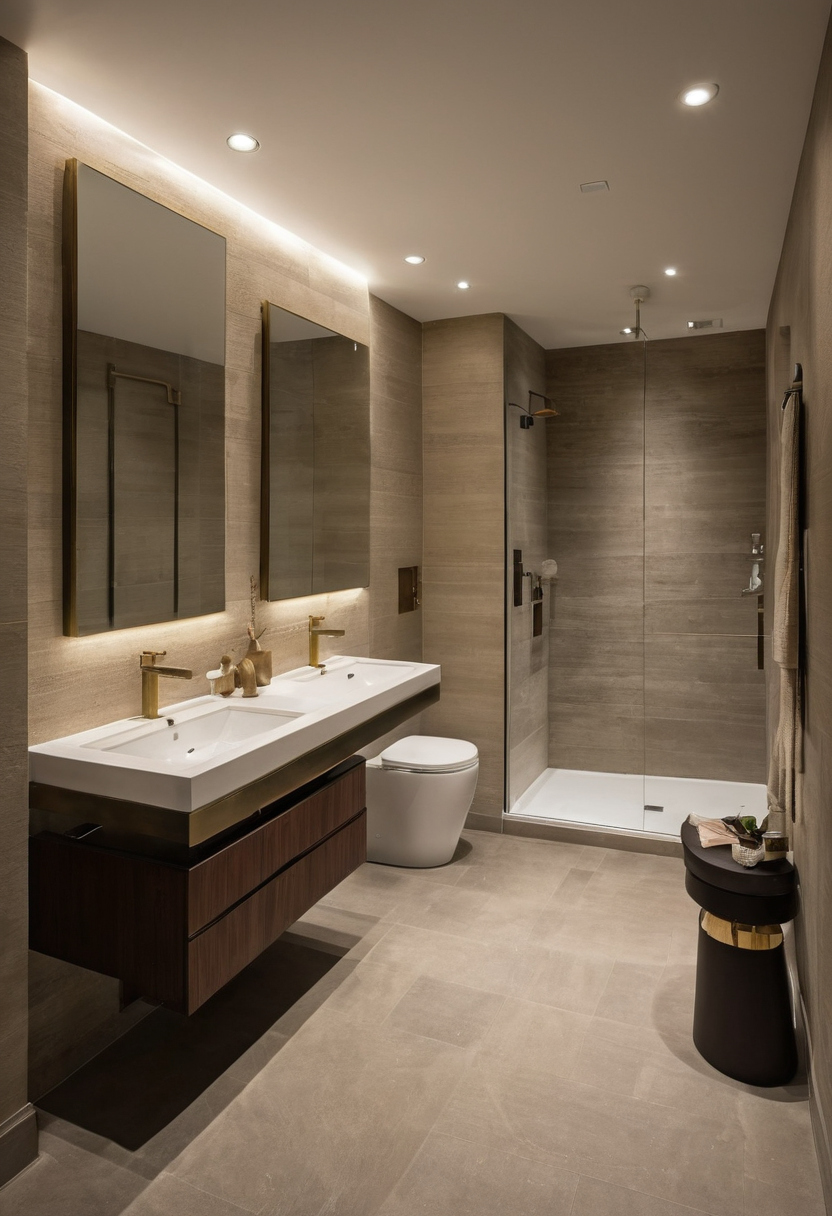
Which drawings should interior design services deliver shown as a planning reference for layout, scale, and material decisions.
Interior specifications and schedules must define what is being priced and installed
Specifications convert design intent into measurable product, performance, workmanship, and installation requirements; schedules organize those requirements by item and location.
Specifications are technical instructions
A specification may name a product, define required performance, describe workmanship, or cite an applicable standard. Schedules should record item code, room, quantity, dimensions, finish, supplier, substrate, edge treatment, maintenance, lead time, budget status, and approval status. The agreement should establish precedence among drawings, schedules, specifications, approved samples, and reviewed shop drawings.
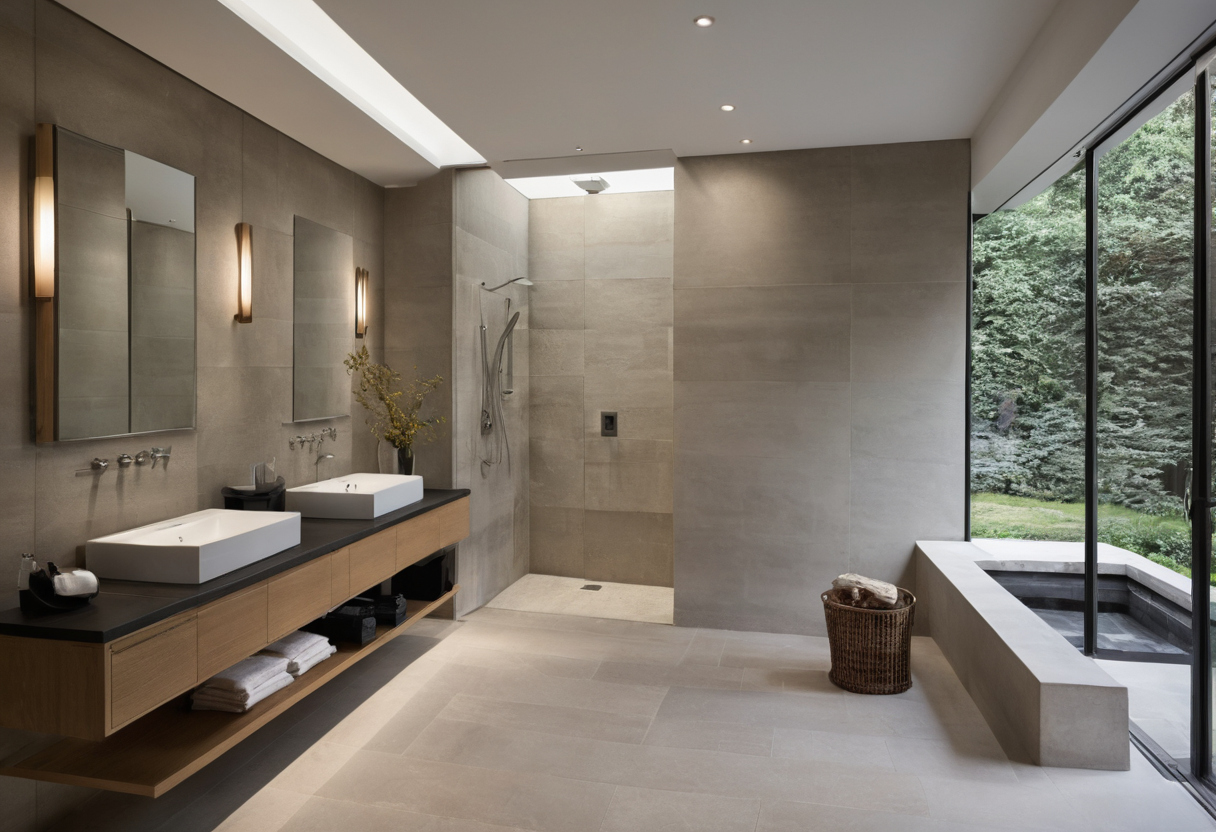
Interior specifications and schedules must define what is being priced and installed shown with floor, wall, and fixture relationships visible.
Finish and fixture schedules may also need moisture suitability, slip or fire performance, warranty, batch control, cleaning instructions, and test reports. For natural stone, record sealer and care requirements. The Natural Stone Institute generally recommends a suitable neutral cleaner, stone soap, or mild detergent with warm water.
Control samples and mock-ups should be approved before repetitive work or bulk ordering. Substitution requests should compare appearance, dimensions, performance, compliance, warranty, lead time, and installed cost. The EPA identifies paints, adhesives, building materials, and furnishings as potential VOC sources, notes that many VOC concentrations are higher indoors than outdoors, and advises increased ventilation plus compliance with label precautions when emitting products are used.
Procurement services must separate selection, purchasing, logistics, and financial responsibility
Procurement is a commercial service, not an automatic extension of product selection. The proposal should identify who obtains quotations, approves vendors, places orders, pays deposits, tracks production, stores goods, and handles shortages or damage.
Fees and ownership require disclosure
Compare fixed fees, percentage charges, hourly administration, markups, and commissions using the same purchasing value. Require written treatment of trade discounts, rebates, cancellation charges, title to goods, refunds, warranties, taxes, customs, currency exposure, and insolvency risk.
A procurement tracker should record budget allowance, approved cost, order date, lead time, expected delivery, storage location, insurance, responsible party, and issue status. The appointment should require prompt escalation of expired prices, discontinued products, delayed approvals, freight changes, and damaged deliveries.
Site duties, approvals, and installation support must have clear limits
Site attendance must be defined as observation, inspection, coordination, or project management because occasional visits do not constitute continuous supervision or contractor control.
Approvals and inspections need named owners
Structural changes, fire-safety work, plumbing relocation, electrical alterations, façades, and egress may require licensed professionals and authority submissions. Local municipal, building-control, community, and homeowners’ association requirements should be verified. Under UK CDM 2015, a principal designer may assume domestic-client duties only through a written agreement.
Request milestone visits for setting-out, concealed services, waterproofing, ceiling closure, joinery, stonework, finishing, and snagging. Reports should contain photographs, observations, responsible parties, deadlines, and closeout status. Damp conditions demand rapid action because the EPA recommends fixing wet or damp spots promptly to help prevent mold growth.
Installation duties should cover receiving, protection, unpacking, assembly, placement, waste removal, damage records, snagging, and handover. Handover should collect warranties, care manuals, spare materials, keys, controls, and approved record information.
Interior design agreements should control fees, changes, ownership, and liability
The agreement should connect scope to fees, programme, revisions, client decisions, document rights, insurance, and third-party dependencies.
Approval gates control redesign
State whether fees are fixed, percentage-based, hourly, room-based, phased, or hybrid. Allocate travel, samples, couriers, consultants, visualizations, procurement administration, and site attendance. Once a concept is approved, later redesign, delayed decisions, extra visits, substitutions, or unexpected site conditions should require a written fee and programme estimate.
Payment does not necessarily transfer copyright. The agreement should define the client’s licence, document reuse, editable files, modification by others, portfolio photography, and confidentiality. Liability and insurance should match the actual services, distinguishing professional design, procurement, product supply, project management, and construction. Local legal review remains prudent because enforceability varies.
A proposal-comparison matrix reveals missing interior design services
A normalized matrix exposes exclusions and duplicated fees that headline prices conceal. Compare phases, drawings, schedules, specifications, approvals, procurement, site visits, shop-drawing reviews, installation, snagging, and handover on the same basis.
Request anonymized samples of a drawing register, coordinated sheet, finish schedule, specification entry, procurement tracker, site report, and snag list. Check dimensions, cross-references, issue status, and revision control.
- Undefined “full service”
- No drawing register or document precedence
- Unspecified site attendance
- Hidden procurement charges
- Unassigned approvals
- No written change-control procedure
Add excluded and separately priced duties to the comparison total. Appoint the proposal that closes responsibility gaps before work begins, not simply the proposal with the lowest initial fee.

A proposal-comparison matrix reveals missing interior design services shown as an editorial reference for proportion and finish coordination.
Frequently asked questions
What is normally included in full-service interior design services for a villa?
A properly defined appointment may include briefing, concept design, developed design, construction documents, specifications, procurement, construction support, installation, and handover. The term “full service” has no useful precision unless each deliverable and exclusion is listed.
How are specifications different from drawings and schedules?
Drawings communicate geometry and relationships. Specifications define products, performance, workmanship, and installation. Schedules organize repeated information by room, item, finish, quantity, or supplier.
Should I hire an interior designer, decorator, architect, or house designer near me?
Choose according to scope and local regulation. Decoration may suit furnishing-only work; spatial alterations and regulated construction may require interior designers, architects, engineers, or other licensed professionals.
Who handles permits, shop drawings, inspections, and contractor supervision?
The agreement must name the responsible party for each duty. Permit submissions may require licensed professionals, shop drawings usually originate with fabricators, and designer visits do not automatically include contractor supervision.
Does the 3-5-7 rule reveal service quality?
No. A styling rule cannot demonstrate document coordination, procurement transparency, approval responsibility, revision control, site reporting, or contractual completeness.